

Learn what maca is, how it has traditionally been used, why people use it today, and how to begin choosing and using maca with confidence.
If you’re just getting started with maca root, you’re in the right place. This page is designed to give you a clear, straightforward understanding of what maca is, how it has traditionally been used, and how people incorporate it into their daily routine. You’ll also find guidance on choosing the right type of maca and how to get started in a way that fits your routine. Maca is a unique food with a long history of use, but it’s often misunderstood or misrepresented. Our goal here is to draw on over two decades of experience with maca to provide a balanced introduction, so you can make informed decisions without confusion or hype.

Maca (Lepidium meyenii) is a root vegetable in the “mustard” family and native to the high Andes mountains of Peru. It grows best at elevations of 11,000 feet (3,500 meters) and above, where few other food crops can survive. The maca plant itself grows low to the ground, producing a small rosette of leaves and an underground root roughly the size of a radish. It is this root that has been cultivated and prized for likely over a thousand years in the Andes.
Maca root is deeply tied to the Andes mountains and the traditions of people indigenous to the area. It is uniquely adapted to the intense sunlight, temperature extremes, high winds and rocky soils of the area. Attempts have been made to grow it in other parts of the world. These have consistently failed, producing unviable harvests. Maca is also the only known plant to contain macaenes and macamides, two unique bioactive compounds.
The first evidence we have regarding the use of maca dates to about 1000 years ago in the Junin Plateau of Peru. Since at least that time people have grown, harvested, dried and consumed maca continuously. Traditionally, maca was valued as a staple food and sometimes used as a form of natural medicine. It was considered as a health promoting food and commonly associated with increases in energy and overall vitality. During Incan dominance of the area maca was even used as a form of trade. Read more about the history of maca
People worldwide explore maca today for a variety of reasons. Interest in maca often comes from how it fits into and how it can enhance modern routines and lifestyles. While individual experiences vary, the most common reasons people incorporate maca into their daily lives include:
One of the most common questions people have when first learning about maca is which type to choose. Maca can be understood through a few simple distinctions: color, preparation, and form. A basic understanding of each is usually enough to make a confident choice.

Maca is available in three main colors: red, black, and yellow. All come from the same plant but are naturally different ecotypes (varieties).
The differences between them are subtle, so choosing a maca color is a consideration, but not essential.
How maca is prepared can affect how it feels to use day to day.
If you’re new to maca or have a sensitive stomach, gelatinized maca is the best place to start.
If you’re new to maca, we recommend starting with a sundried product, as premium maca can be stronger in flavor.
Once you’ve chosen a color and preparation type of maca, the final step is how you prefer to take it.
Many people begin with a yellow or red gelatinized maca, and either a powder or capsule. Find out which one we recommend for you
Maca is often misunderstood, especially by those expecting an immediate effect. Unlike stimulants or fast-acting products, maca is best used as part of a daily routine. Its role is more gradual and cumulative.
Maca is not a stimulant and is not typically experienced as a sudden boost.
For many people, any noticeable changes tend to develop over time rather than all at once. This can make the experience feel subtle, especially at the beginning.
Maca is most often used consistently over days or weeks. Skipping around or using it sporadically may not give a clear sense of how it fits for you.
Individual experiences with maca can differ based on factors like diet, consistency, preparation (raw vs. gelatinized), and the type and quality of maca used. Because of this, it’s generally more useful to observe patterns over time and adjust as needed. If you’d like a more detailed look at what people commonly notice over time, visit: What to Expect from Maca
Getting started with maca is simple. Most people find it works best when it becomes part of their daily routine.

Most people tolerate maca well when they add it to their diets. Because it has a long history of traditional use, many people approach maca in the same way they would other whole foods—starting gradually and adjusting over time. If you’re new to maca, beginning with a smaller amount and increasing slowly can help you understand how it fits into your routine. As with any food or supplement, individual responses can vary. Some people choose to take a more cautious approach depending on their situation, especially during times such as pregnancy or when combining with other products. If you’re looking for more specific information, you can explore:
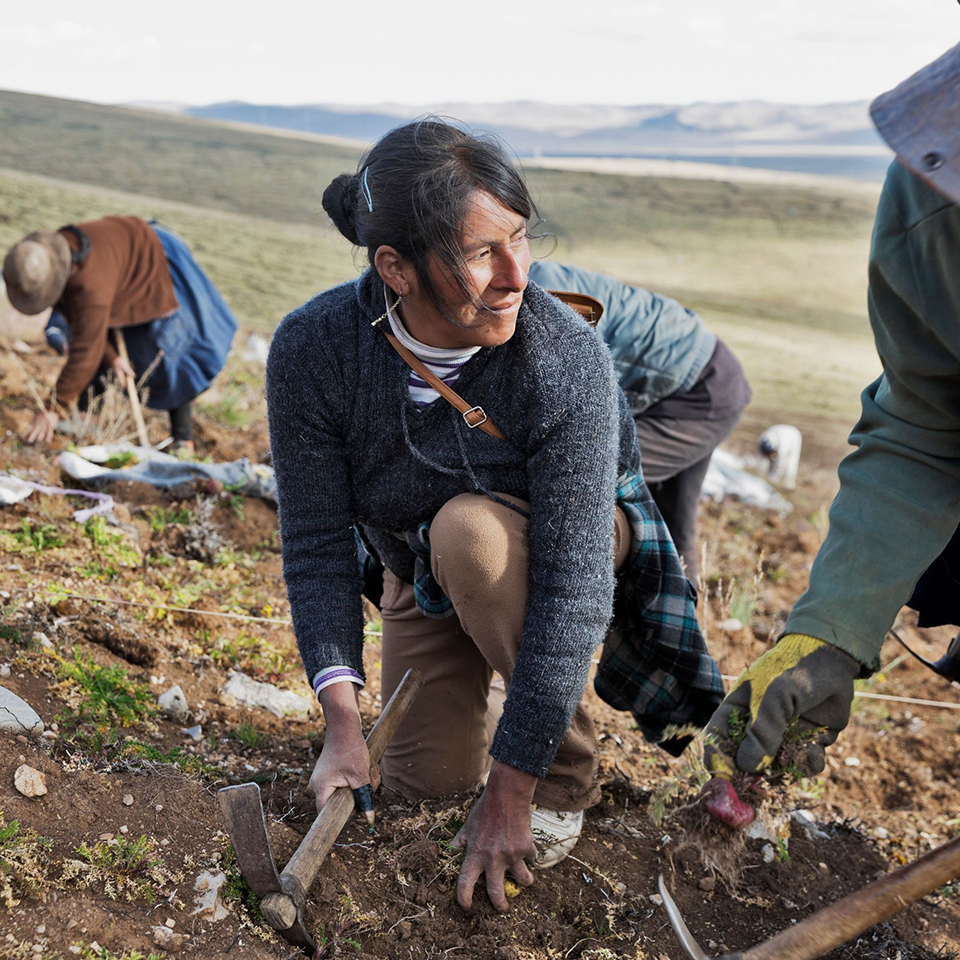
Not all maca is the same. Because maca is grown, processed, and handled in different ways, the final product can vary in origin, preparation, and overall quality. These differences can influence your maca experience.
Traditionally, maca has grown in the high Andes of Peru and Bolivia. The altitude, soil, and climate in these regions are unique and have shaped how maca has been cultivated and used over time. Maca is considered to have originated in the Junín area of Peru, which remains one of its most important growing regions today.
Maca removes important nutrients from the soil during its growth cycle. For this reason, it is important to grow maca on virgin land or on land that has been rested and rehabilitated for at least 10 years.
Maca takes about nine months to mature after planting. Harvesting the roots only after they are fully mature is an important part of producing high-quality maca.
How maca is dried and prepared—whether raw, gelatinized, or processed in other ways—can affect digestion, taste, and overall consistency.
The amount of time maca products sit in storage before being used is important. Fresher products generally provide better flavor and overall quality.
Testing for identity, purity, and consistency helps confirm that what is stated on the label reflects what is actually in the product.
People come to maca with different goals, routines, and expectations. As a result, individual experiences can vary. We’ve received over four thousand different experiences from customers over the years. Many people write about specific changes they’ve noticed. Due to regulatory guidelines, we’re not able to share experiences that connect maca use to the improvement of a disease or health condition. Here are a few that we can share.
“My wife is using this and she is very happy with energy boost it gives her. And there is no crash at the end of the day. Highly recommended!” — Mazher Akhtar
“I recently have had to give up all caffeine and have been looking for an alternative! This is it! I add some into my smoothie every morning and definitely feel a boost of energy without shakiness etc!! It usually last around 4-6 hrs and could easily be added to a drink later to continue the effect!” — Zoe
“I’ve tried several different brands, and yours seems to work really well for me. I am using the premium, white-red-black blend, raw Maca. I’m feeling great! I work a very physical, fast paced job, dealing with countless interruptions during the day. I am more focused, and have more physical stamina. No more afternoon slow-down for me…and I do not need that afternoon coffee jolt to get me through the day. I will be ordering more from you!” — Nancy Sue
“I get a nice, subtle, long-lasting energy boost from this stuff. It’s not like a caffeine energy, which ultimately creates anxiety. It’s a smooth warmth that provides stamina, NOT a kick into crisis mode.” — EC
“I love this powder! It’s become part of my morning routine. It helps me with energy levels and motivation. I do a lot of running and this maca is the best thing I’ve discovered! Thanks Maca Team!” — Keegan
If you’d like to take a deeper look, there are many ways to explore maca beyond the basics. Over time, a wide range of information has developed around how maca is grown, prepared, and used. The sections below provide a more detailed look at specific topics, depending on what you’re interested in.
Explore our maca products or use our guidance to choose the option that best fits your routine.
